
Companies rarely go out of business due to bad marketing strategies; they go out of business due to bad marketing coordination within a broader business marketing strategy.
Paid advertising generates traffic, while organic content generates trust. However, when these two do not work together, companies spend more and get less in their overall digital marketing for business efforts.
The true power lies in their combination as part of a strong digital marketing strategy. And this can only be explained by using practical examples.
How Paid Ads and Organic Marketing Complement Each Other
a. Paid Ads Provide Immediate Data for Organic Strategy
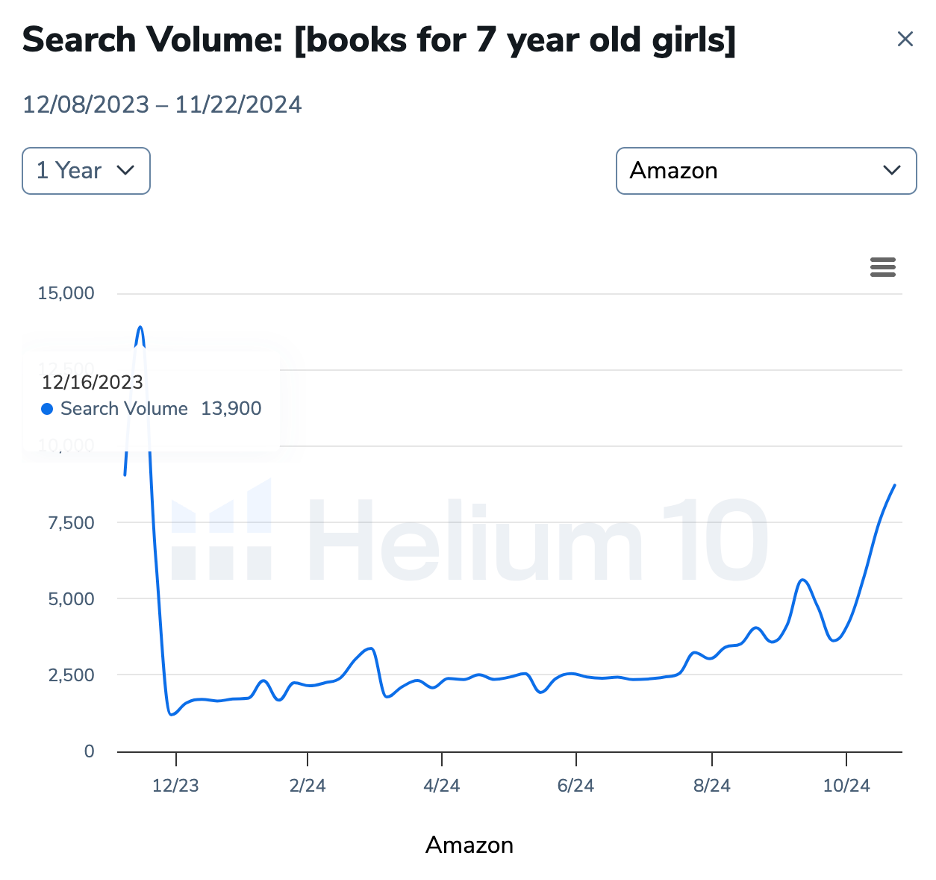
Your paid advertisements are literally a live place to do real time tests on your overall marketing strategy for growth. You are able to gather a wealth of information at the moment the campaign goes live, including what keywords generate clicks, which headlines generate meaningful engagement, as well as what offers are generating conversion. All of this information is extremely valuable.
Using this data to shape your organic marketing strategy and organic marketing services will lead to many more successful efforts. By developing organic content based upon proven effective keyword terms through your paid advertisement testing, you will no longer have to guess on what SEO topics to go after.
For example: An online retailer such as Amazon (who uses paid advertisements and paid ads) utilizes sponsored ads to test and identify specific product keyword terms continually. Since Amazon ranks its products using the same product keyword terms used within their sponsored ad campaigns, they are able to maintain consistent product visibility across both advertisement channels and organic listings.
b. Organic Content Improves Paid Ad Performance
Organic marketing enhances the underlying basis that helps paid marketing campaigns perform better. When visitors enter an optimized website with valuable information, they will tend to stick around, interact, and ultimately convert. It positively affects the quality score of advertisements placed on platforms such as Google, lowering the CPC.
A classic case here would be HubSpot, which offers detailed blogs that are ranked organically yet function as effective landing pages for its paid campaigns and reflect strong marketing strategy services.
c. Connecting Organic And Paid Through Retargeting
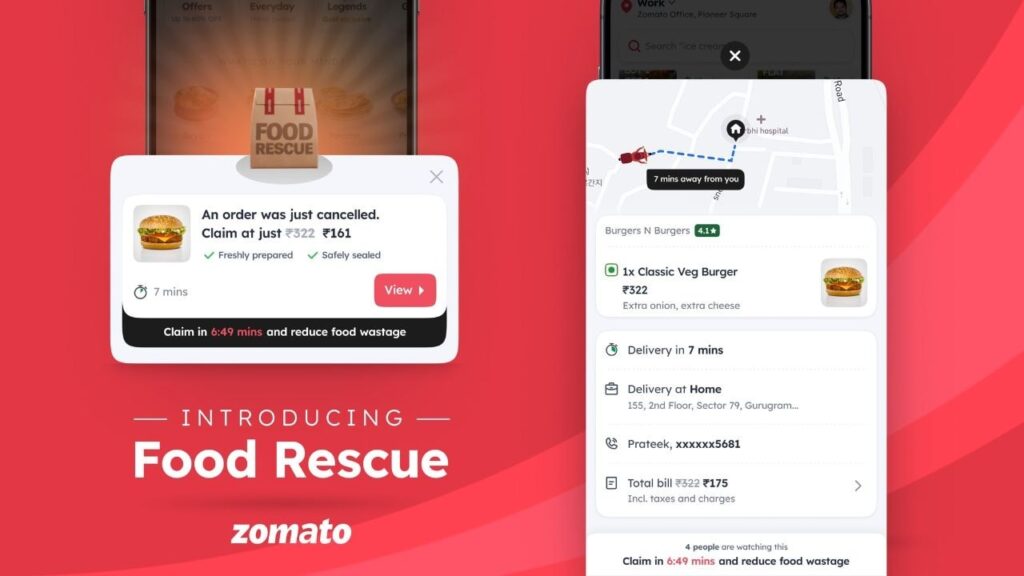
Retargeting allows you to connect your organic and paid marketing efforts so that you can reach potential customers who do not initially convert as part of a custom marketing strategy. For example, a potential customer may land on your website via a blog post or search result, click away from your site, and be brought back to your site by a retargeting ad. Zomato uses this technique very effectively by retargeting users who have browsed through restaurants but did not end up placing an order. This has helped them increase their overall conversion rate.
d. Brand Multiplier Effect
If the user comes across the brand several times, whether through ads or organics, it fosters trust. Seeing the brand from both perspectives is proof that the brand is credible within a consistent business marketing strategy.
This has been achieved effectively by brands such as Nike, which have mastered the art of telling great stories in their organic content while keeping the paid campaign consistent.
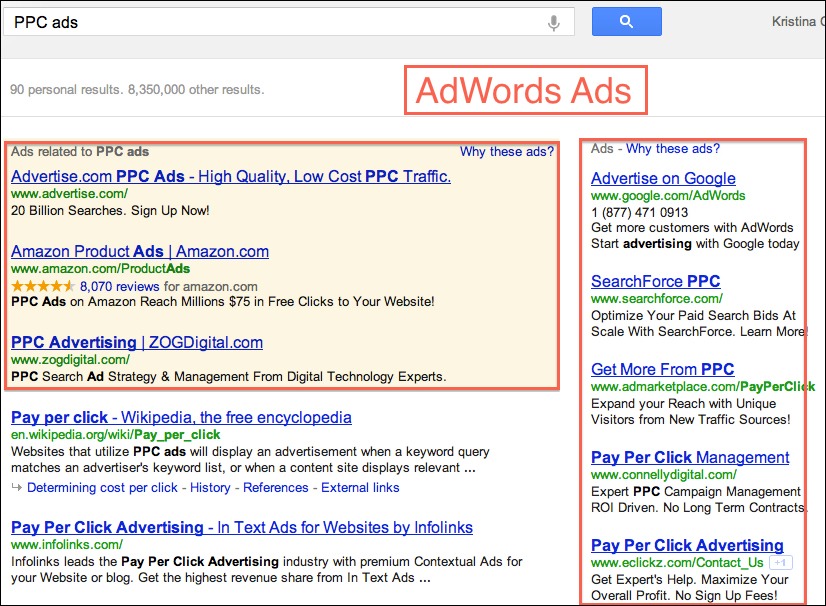
Example 1: Double Display of Amazon in Organic and Paid Results
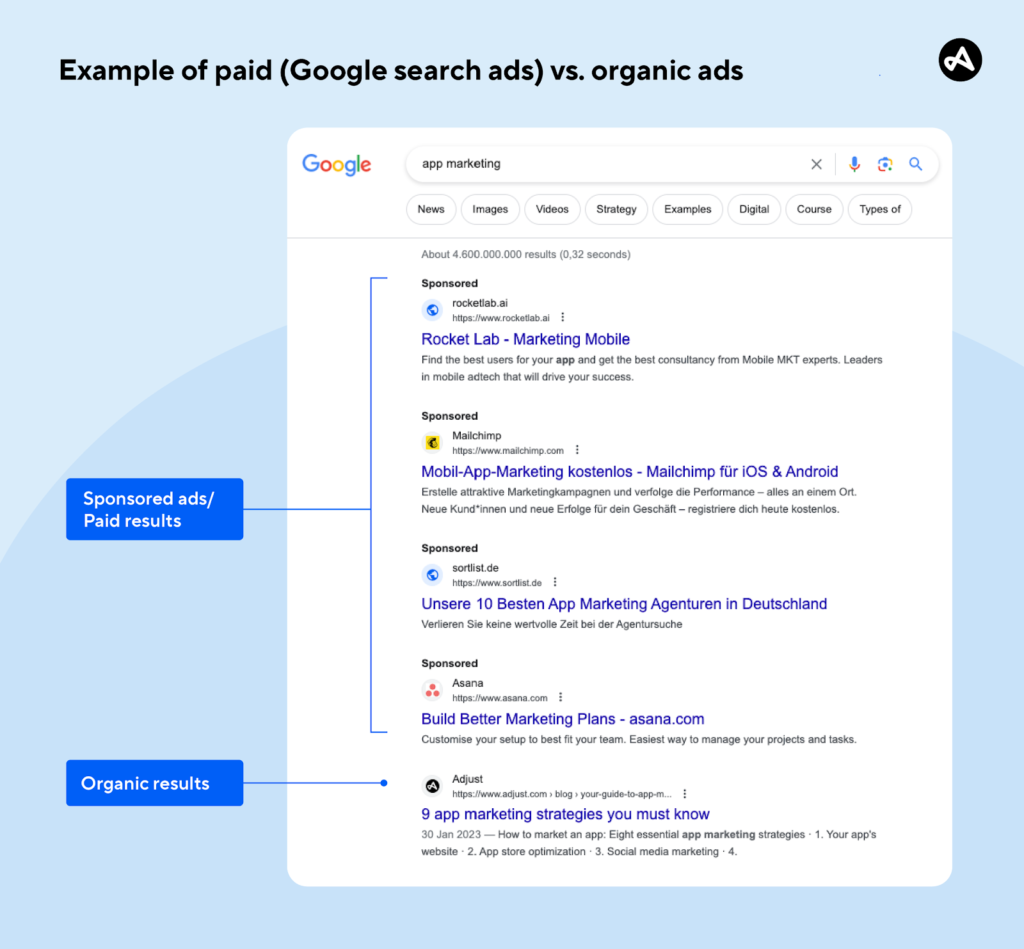
Type anything in Google: wireless earbuds, laptop stand, running shoes, and see what happens. Most likely, Amazon will pop up two times: first, as a paid ad, then as an organic listing.
4
Source: https://www.themediacaptain.com/organic-vs-paid-search/
d. Brand Multiplier Effect
If the user comes across the brand several times, whether through ads or organics, it fosters trust. Seeing the brand from both perspectives is proof that the brand is credible.
This has been achieved effectively by brands such as Nike, which have mastered the art of telling great stories in their organic content while keeping the paid campaign consistent.
Example 1: Double Display of Amazon in Organic and Paid Results
Type anything in Google: wireless earbuds, laptop stand, running shoes, and see what happens. Most likely, Amazon will pop up two times: first, as a paid ad, then as an organic listing.
It’s not by chance. Amazon puts significant resources into Google Ads yet maintains rankings (organic) based on their SEO strategy/domain authorities as part of a strong digital marketing strategy. As a result of this approach to advertising for 2/3rds of its potential customers, Amazon creates a very strong visibility position with both its ads and the organic search results. Thus, if customers do not click an ad, they still see Amazon’s website in their search results and therefore they are likely to trust Amazon more than other websites. Increased trust will generally lead to increased CTRs.
Example 2: HubSpot Integrates SEO Content & Paid Promotions
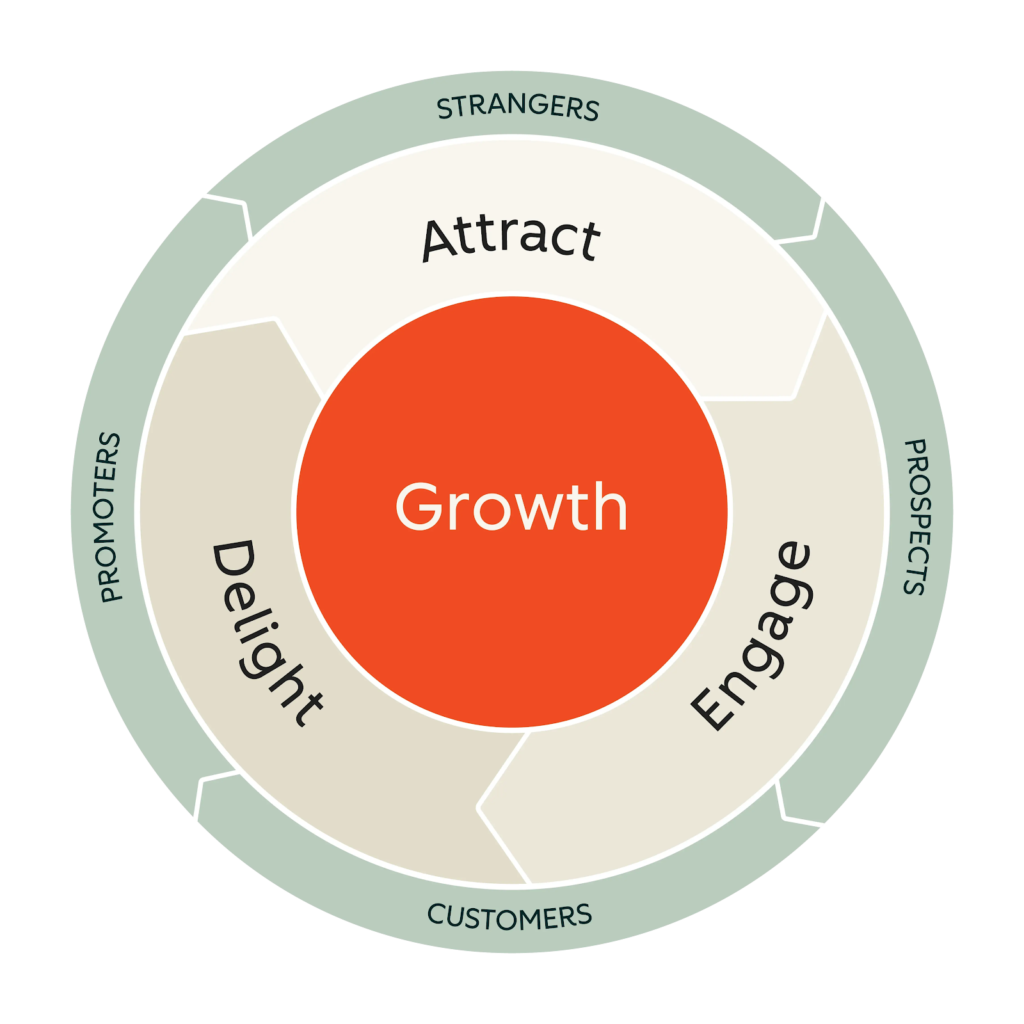
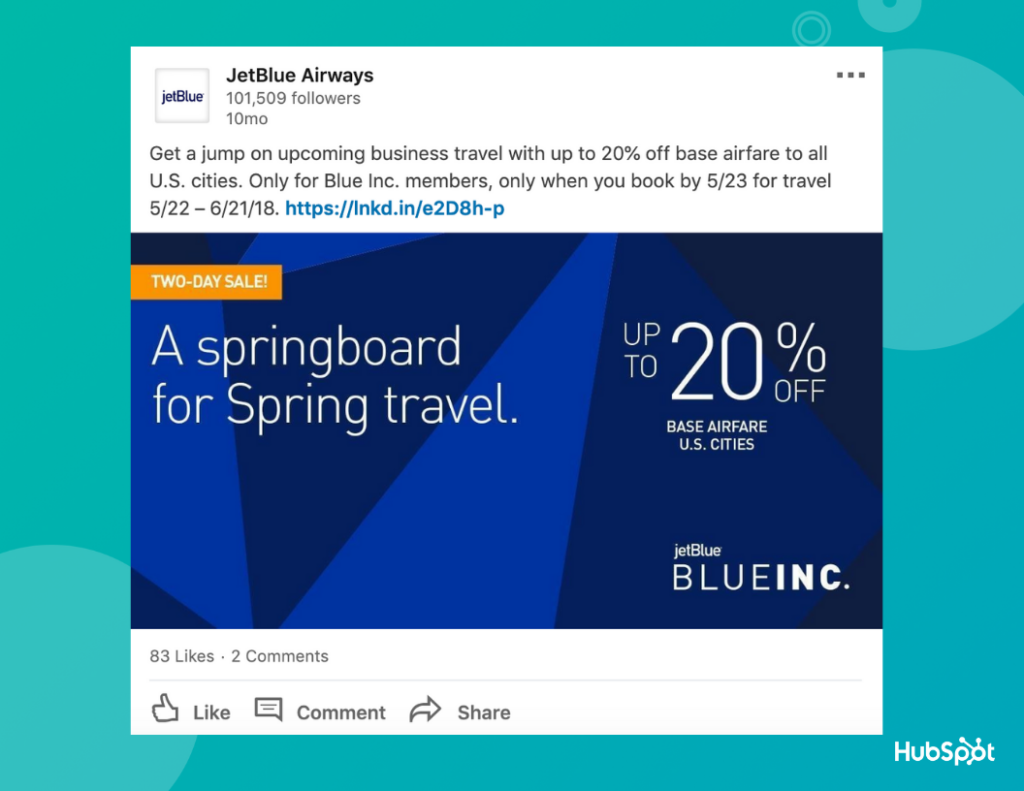
HubSpot is an excellent illustration of how to integrate content and paid promotion through a custom marketing strategy.
It ranks organically for many marketing keywords using in-depth blog posts. However, HubSpot does not depend solely on SEO; instead, it promotes high-ranking content using paid promotions.
4
Source: https://blog.hubspot.com/marketing
An example of this is an organic ranking of a blog post titled “What is Inbound Marketing?” HubSpot generates additional calculated traffic by promoting other related marketing content via LinkedIn and Google Ads to attract users that would not find it organically.
It would be an example of how content can be amplified vs. waiting for users to visit their web pages using effective marketing strategy services.
Example 3 Zomato Combines Organic Reach with Retargeting Ads
Another example of how organic channels generate paid user acquisition is providing retargeted advertising on Zomato after a user has used their application to search for restaurants and then has abandoned the ordering process.
4
Source: https://www.socialsamosa.com/2020/06/zomato-marketing-strategy/
Organic growth is the result of app traffic, SEO pages, and direct traffic for Zomato. However, what makes the marketing strategy effective is retargeting users based on intent, thereby maximizing conversion ratios and improving digital marketing for business outcomes.
Example 4: Nike Strengthens Brand Using Organic + Uses Ads for Conversions
There is no doubt that Nike spends a lot of money on content marketing initiatives like social media posts, YouTube videos, and other content campaigns.
The purpose is to strengthen the brand using organic initiatives. In addition, Nike uses highly targeted ads to drive conversions as part of its marketing strategy for growth.

4
Source: https://www.nike.com & https://www.facebook.com/ads/library/
A user can view a Nike advertising campaign as part of an organic experience and then later be shown the same type of campaign through an advertisement. This consistency across the two different channels increases the possibility of conversion.
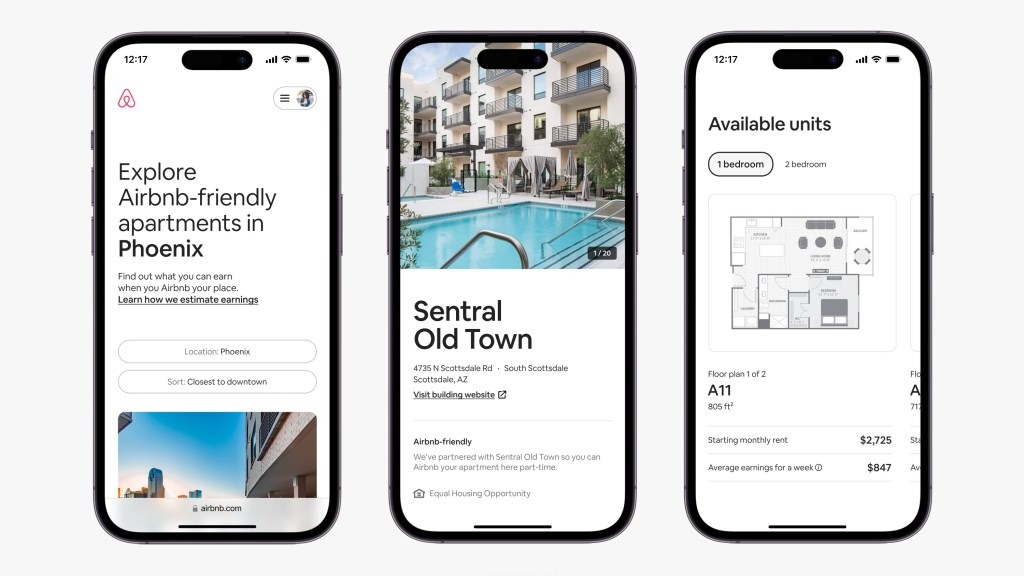
Example 5: Airbnb Uses Paid Ads to Support Organic Search Growth
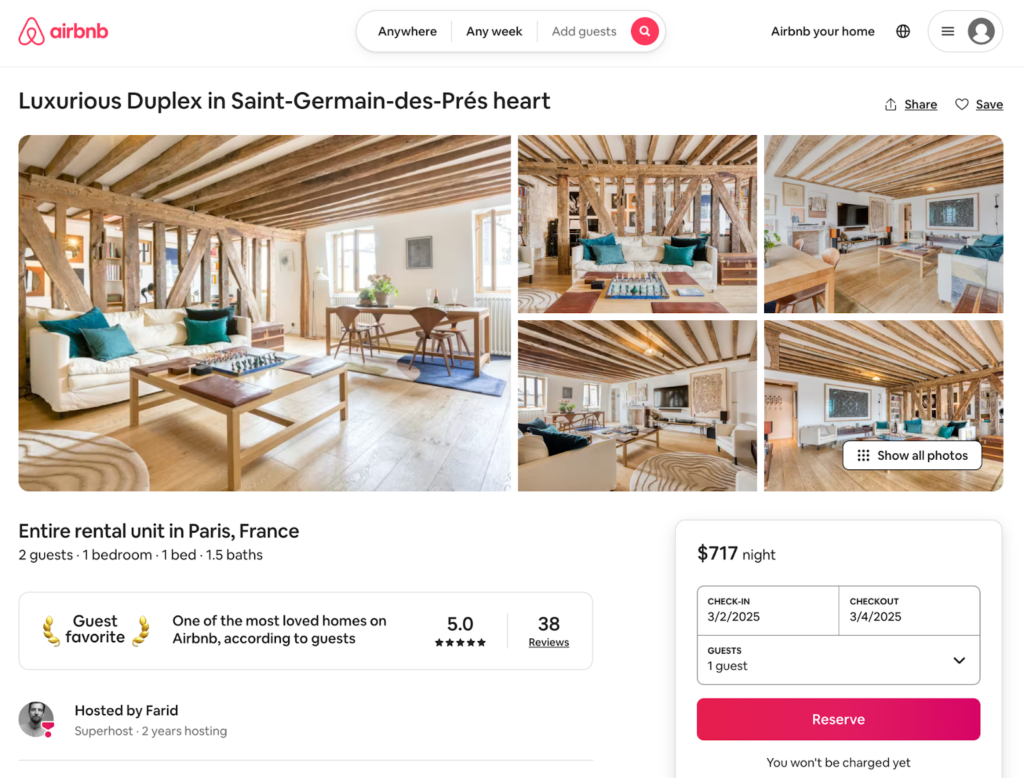
When many users search for apartments in Goa, they will likely come across many of these locations through their organic search engine results.
Airbnb relies primarily on organic search results to generate these thousands of different queries, but by adding a paid advertisement for high-intent keywords, they can ensure that they are visible in the competitive arena of travel using paid ads.
4
Source: https://searchatlas.com/blog/paid-seo-vs-organic-seo/
Through this strategy of dual focus, Airbnb is able to take advantage of both its advertisements in generating instant demand and its SEO in creating sustained traffic as part of a digital marketing strategy.
These Examples Make It Clear That
The main similarity found in all of these brands is that they:
• Don’t differentiate between paid and organic strategies
• Make their marketing efforts complementary within a unified business marketing strategy
Paid channels:
• Benefit from organic channels in providing credibility and information
Organic channels:
• Benefit from paid channels in terms of visibility and data collection, often supported by organic marketing services.
Conclusion
The conclusion is that alignment rather than budget is what sets great performance apart from average performance in marketing.
While many companies, including Amazon, HubSpot, Zomato, Nike and Airbnb, have been able to grow their businesses through paid advertising and search engine optimisation (SEO), it’s the ability to successfully combine the two channels that drives their success through effective marketing strategy services.
The lesson for businesses seeking long-term sustainable growth is straightforward; paid advertising can attract new customers to your business, while organic marketing will encourage them to remain as customers. Together, these two marketing channels make it possible to generate predictable and repeatable business growth through a strong digital marketing strategy and marketing strategy for growth.


