
One transaction goes through, and credit is distributed in a matter of seconds – generally to the last click, sometimes spread over several clicks across Multi-Touch Marketing Funnels. Regardless of which, it appears conclusive. But when you manually follow the same user, the narrative differs.
The advertisement that first sparked their interest is ignored. The blog post that defined their problem statement is disregarded. The webinar that alleviated their objections is considered supplementary. What counts is merely what was simplest to measure.
This represents the divide within which many organizations function – not due to a lack of information, but an inconsistency between documented events and their true impact across Marketing Funnels. While AI-based attribution seeks to address this disparity, it does more than just reallocate credit or Attribute Revenue more accurately.
The uncomfortable truth about your marketing data
Marketing is a field filled with plenty of data, and the majority of marketers are overwhelmed with this continual deluge of data, and if you receive periodic (e.g., a weekly) report or have created a performance (or campaign) dashboard, you probably would agree with this point. Five weeks after a lead began to engage with you (through email, ads, content, and possibly attending an online seminar), you finally received your first report showing what Marketing Device actually produced revenue when you look at the source of credit for that lead in terms of the last marketing device that was clicked on by that lead within your Marketing Funnels.
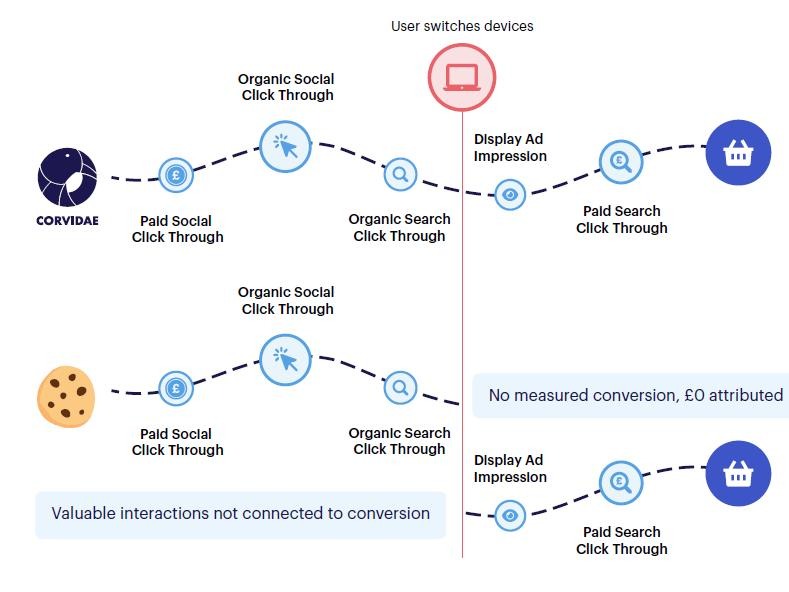
Thus, even though you have had evidence of other marketing devices leading up to that final action (e.g., ads clicked before email opens), their contribution towards creating that lead is never counted. Why? Because attribution is only based on the last touch interaction with the lead. The real challenge is that the way customers interact with different marketing devices to create a lead has become exponentially more complicated than what standard (last touch) attribution models were ever set up to measure across Revenue Across Marketing Funnels.
What a real customer journey actually looks like
6
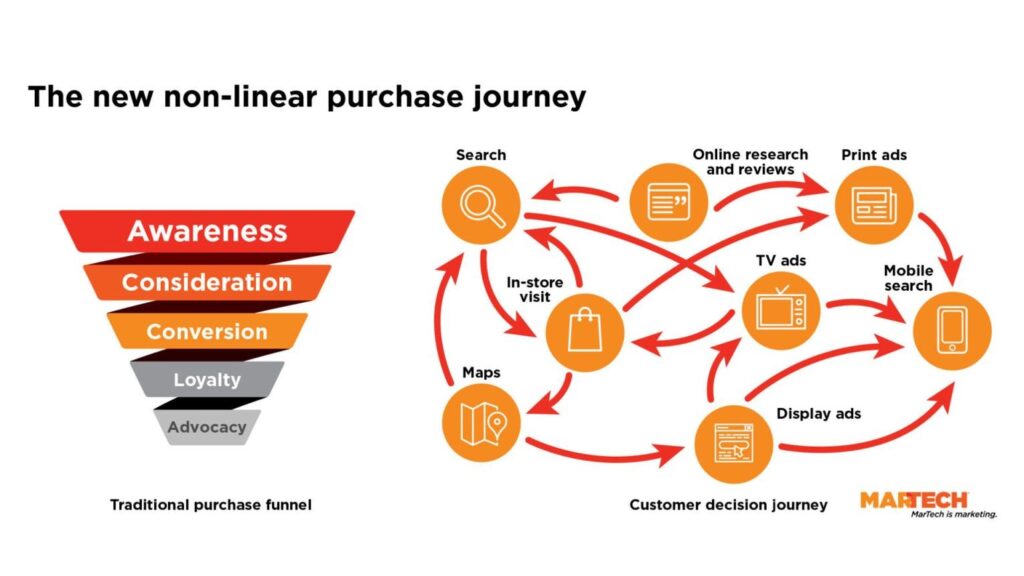
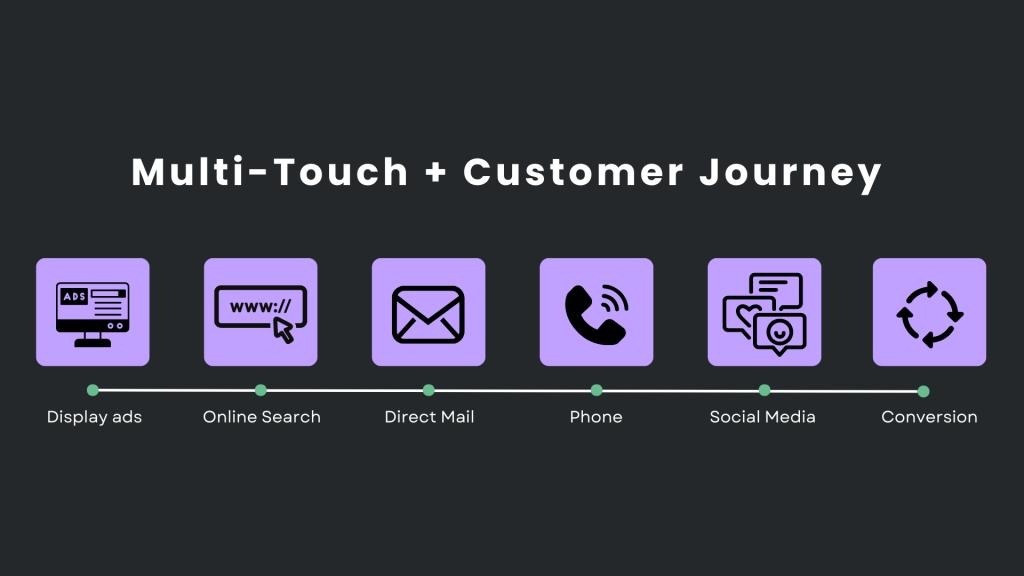
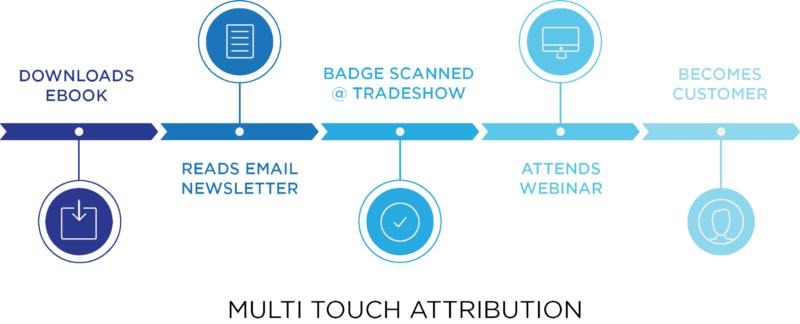
Not now. No one gets out of bed and converts magically. They see your product or service for the first time on an advertisement; they don’t buy it, but weeks later, when they’re searching for a solution to their problem, they find your website on a blog. They subscribe to a newsletter and then watch your webinar because a case study persuaded them to do so.
Now try squeezing all that into last-click attribution. Not only is the data lost; you lose context as well. Awareness-generating touches in the beginning, the trust-building touches in the middle, and the touches that helped persuade them to move forward are all buried beneath the one “final touch” at the end of Multi-Touch Marketing Funnels.
How does traditional attribution subtly misrepresent reality?
There’s nothing wrong with attribution systems like last click or even linear attribution. It’s simply too inflexible an approach for the current behavioral climate of modern Marketing Funnels.
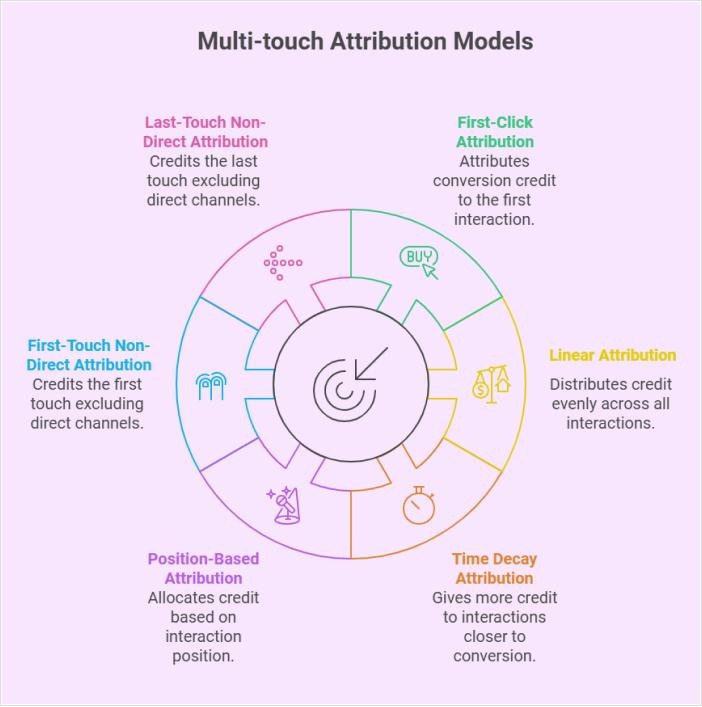
Both rely on certain assumptions: Last click, for example, believes the last interaction is the most important; linear attribution assumes each channel plays an equal role; time decay values recent actions. While each is a story in itself, none of them match up with decision-making.
Where it all goes wrong, however, is that they fail to evolve. Unlike a decision-making process that adapts to new customer behavior, emergent channels, or changing strategies, they remain the same despite the surrounding environment.
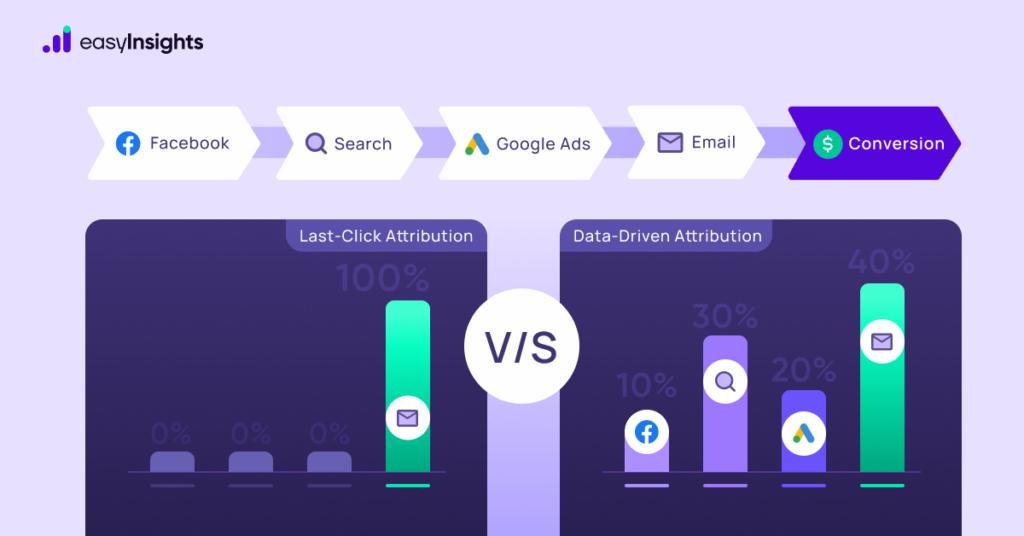
What follows is a subtle but destructive effect whereby closing channels, like email and branded search, are deemed overly valuable, whereas opening channels, like content and paid social, become superfluous.
And there lies the problem with bad decision-making, especially when trying to Attribute Revenue accurately.
What changes when AI enters the picture
6
A clearer way to see contribution
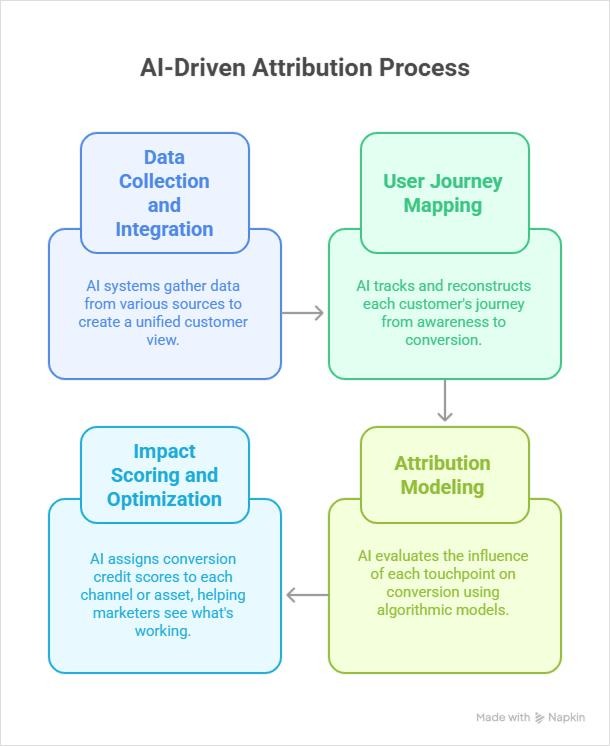
Unlike traditional approaches to customer behavior, which attempt to fit the behavior to pre-defined models, the reverse is true with AI marketing funnels. That is, AI models behaviors and creates models based on those behaviors.
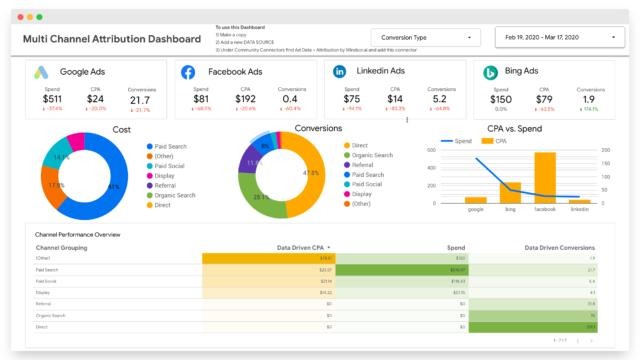
While traditional attribution involves a set value for each channel that contributes towards conversions, AI focuses on identifying how each individual touchpoint changes the probability of conversion within the journey, helping AI to Attribute Revenue more precisely.
It’s in this subtle difference, from rigid rules to probabilities, that the significance of attribution lies.
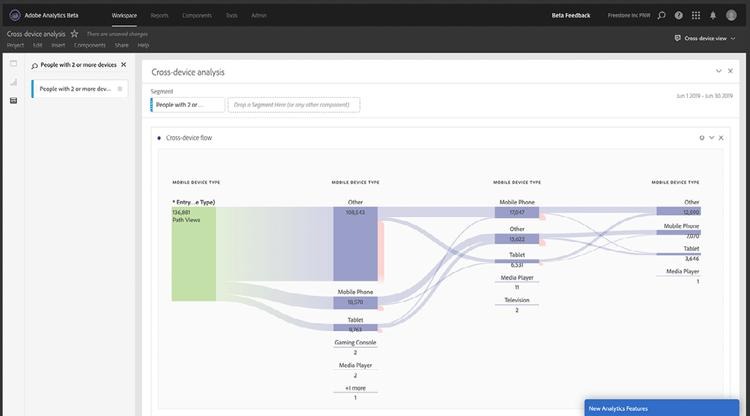
Channels are no longer viewed as independent performers; rather, their interactions and interdependencies are captured and analyzed. While a blog post may not be an immediate driver of conversion, it could often be seen in high-performing journeys. Similarly, while paid ads may not close sales, they may play an important role in starting conversations across Revenue Across Marketing Funnels.
Consider that you’re managing four primary channels including (paid) advertising, (content) production, emailing, and webinar presentations.
When applying a last-touch attribution model to your email efforts, it can attribute a significant amount of revenue to your email as it represents the last touchpoint in most customer journeys before making purchases.
As a result, you may decide to allocate an increased budget exclusively to email at the expense of lowering your budgets for ads and the production of content.
But, once you begin leveraging AI marketing funnels, you’ll find that your advertising channel is responsible for a lot of the early touches for many conversions, while content sits in between various touches of customers in very valuable customer journeys, and webinars are used in many cases prior to demos and drive higher conversion likelihoods. So email will remain important, but it will likely not be the only attribution model any longer.
This is where we see how attribution moves from pure reporting to influencing your overall marketing strategy for growth as well.
The real shift: from tracking clicks to understanding influence
8
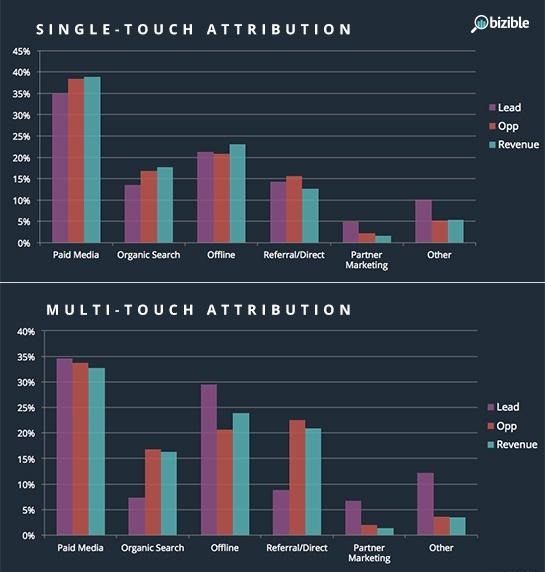
In essence, what AI accomplishes is shifting the focus of attribution from the occurrence to the influence.
Conventional attribution modeling is focused on identifying occurrences. AI attribution modeling aims to identify influence.
The difference might seem insignificant, but it means everything. Rather than focusing on the final click, you shift your focus towards figuring out which combination of actions drives results across Multi-Touch Marketing Funnels.
This is critical when dealing with long sale cycles in which there is little correlation between an action and a decision.
The Difficult road
Using AI-powered attribution isn’t easy. Every company faces the same struggles at the start.
Data is siloed in systems that don’t connect seamlessly. Data tracking is inadequate, especially as privacy becomes more important. In-house teams are accustomed to easier attribution methods and might reject more advanced interpretations.
Not to mention the quality of your data. AI doesn’t solve problems in your data; it multiplies them. If you feed bad data into the system, you’ll get poor results.
But regardless of these obstacles, the consequences of not doing so are dire. Ignoring problems with attribution means being misled by your analysis and failing to Attribute Revenue correctly.
Eventually, the price of sticking to what’s comfortable outweighs the cost of change.
How to do it without making it too complicated?
It is a common pitfall among most companies to go for an ideal solution right away, which often results in delays or failure.
An effective way of doing it would be to consolidate your data, regardless of how dirty it is, and figure out what constitutes success in terms of revenue, cost of acquisition, or conversions for you as a company within your Marketing Funnels.
Then you can start using AI attribution in combination with the traditional model and compare the results, paying particular attention to cases where the models produce different conclusions.
With experience, confidence grows and eventually, the AI to Attribute Revenue takes the lead position, strengthening your overall marketing strategy for growth.
Where attribution is heading next
7
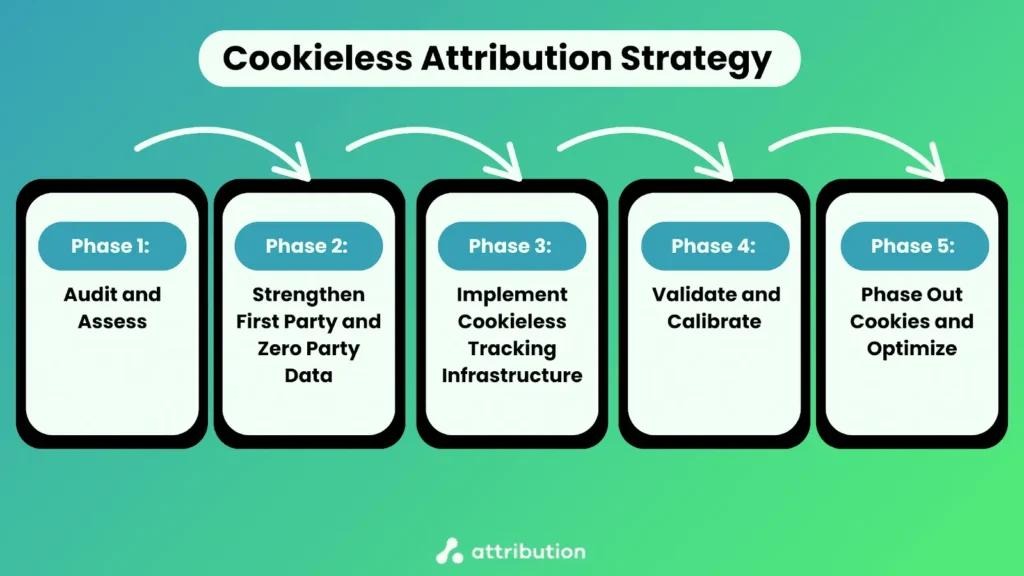
Attribution is moving toward a stage where it won’t be possible to track every single action taken by a user. This could appear to be an obstacle, but it may be the very factor that propels innovation.
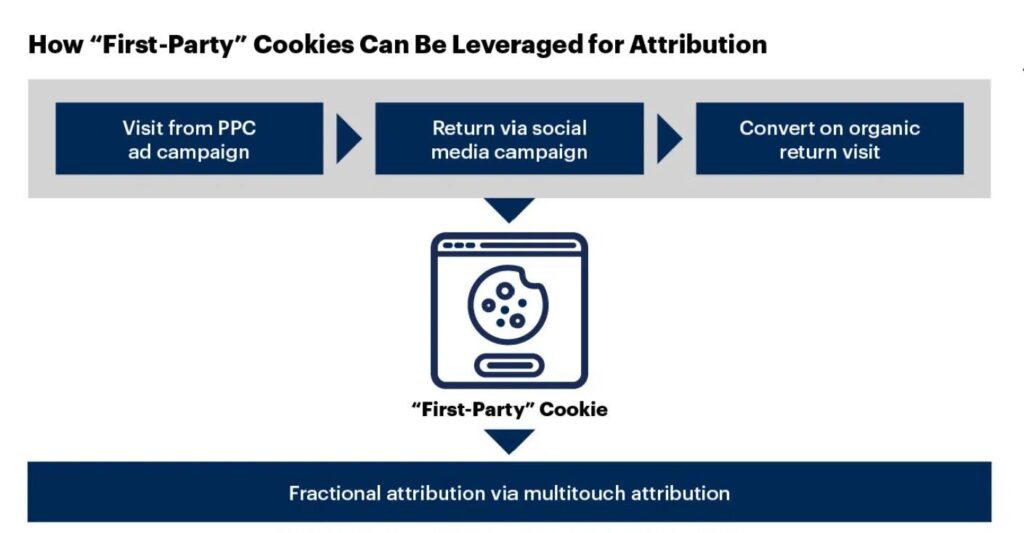
Privacy laws and changes like the end of third-party cookies mean there is now less data available. However, when data is missing, probabilistic solutions such as AI are more important than ever for understanding Revenue Across Marketing Funnels.
More emphasis will be placed on first-party data. More modeling will be required to infer actions that aren’t tracked explicitly.
In essence, attribution is evolving into something much smarter, especially with the rise of AI marketing funnels.
Conclusion
Most of the problems associated with inefficient marketing do not stem from laziness; they result from incorrect interpretations of data across Multi-Touch Marketing Funnels.
It is not about perfection when we talk about AI-enabled attribution. Instead, we provide a more realistic perspective on revenue generation and Attribute Revenue with greater clarity.
And after everything is clear, the decisions usually self-correct. The budgets become more intelligent. The channels get a fair evaluation. The strategies align toward a stronger marketing strategy for growth.
All we need is already available. What we need to ask ourselves is how long will we keep working in the dark?


